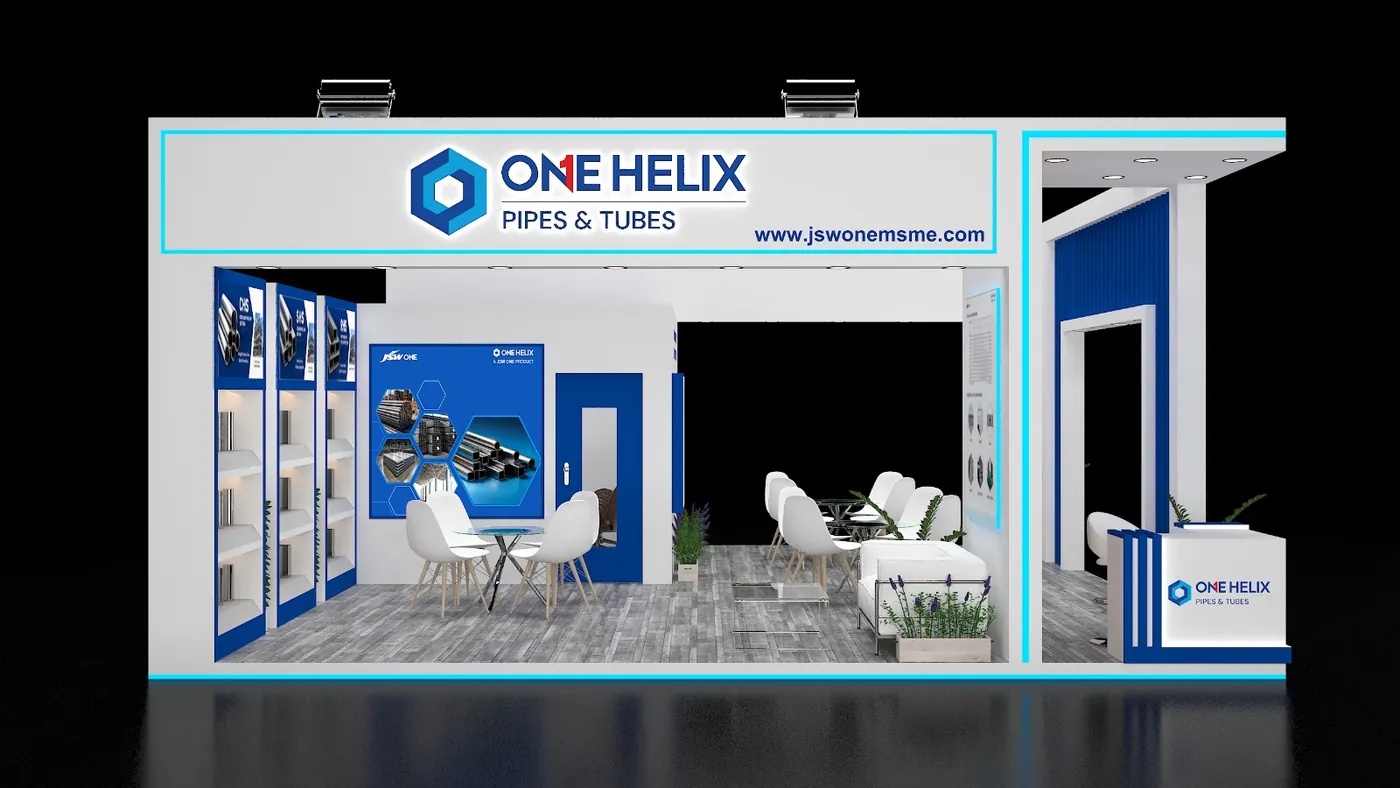
Custom stands
Custom construction can be useful when the brand needs a distinctive environment, unusual geometry, integrated rooms or a highly specific product experience.
Modular displays
Modular systems can be useful when components need to be reused or adapted across different exhibitions and footprints.
Questions to compare
Ask how often the stand will be reused, how much the layout changes between events, what level of visual customization is required and how the system will be transported and assembled.
Start with the exhibition strategy
Where custom design can make sense
Where modular displays can make sense
Questions to compare before deciding
A hybrid approach can also be practical
The useful next step is to map the event calendar, booth footprints, brand requirements and functional needs before choosing the build approach.
Choosing between a custom exhibition stand and a modular display is not only a design decision. It can affect how the booth is transported, reused, adapted to different footprints and aligned with the way your team presents its products.
Start with the exhibition strategy
A company attending one flagship event may prioritise a highly specific brand environment. A business attending several smaller shows may value adaptability and repeat use. The right comparison therefore starts with how the display will be used, not simply how it looks.
Where custom design can make sense
Custom design is useful when the booth needs a distinctive shape, a specific visitor journey, substantial product integration, or a stronger spatial identity. It offers more freedom over feature walls, meeting rooms, display forms, hospitality zones and branded experiences.
Custom also becomes relevant when the product itself is visually important and the stand needs to create a controlled environment around it. A technology demonstration, premium product launch or brand experience may require specific sight lines, lighting or interaction zones that a standard system does not easily provide.
Where modular displays can make sense
Modular systems can be attractive when a business attends multiple events, expects different booth sizes or wants selected components to be reconfigured. A modular framework can still carry strong branding and include counters, graphics, shelving, screens and lighting.
The key is to define which parts should remain reusable and which parts should change between events. Graphics, messaging and some display accessories may need to be updated even when the base system remains consistent.
Questions to compare before deciding
- How many exhibitions will the display be used for?
- Will booth footprints change?
- How much custom shape or structural detail is actually needed?
- Which graphics or messages may change between events?
- How important are transport, storage and repeat configuration?
- Does the team need private meetings, demonstrations or hospitality zones?
A hybrid approach can also be practical
Some projects combine modular components with custom branded features. That can provide repeatable structure while allowing key visitor-facing elements to feel specific to the brand and event.
Look beyond the first event
When a display is intended for repeat use, the design brief should include future booth sizes, transport, storage, graphics replacement and staff workflow. When a project is intended for one major event, the conversation may instead emphasise a distinctive visitor experience and event-specific presentation.
The useful next step is to map the event calendar, booth footprints, brand requirements and functional needs before choosing the build approach.